¿Qué es SMILE?
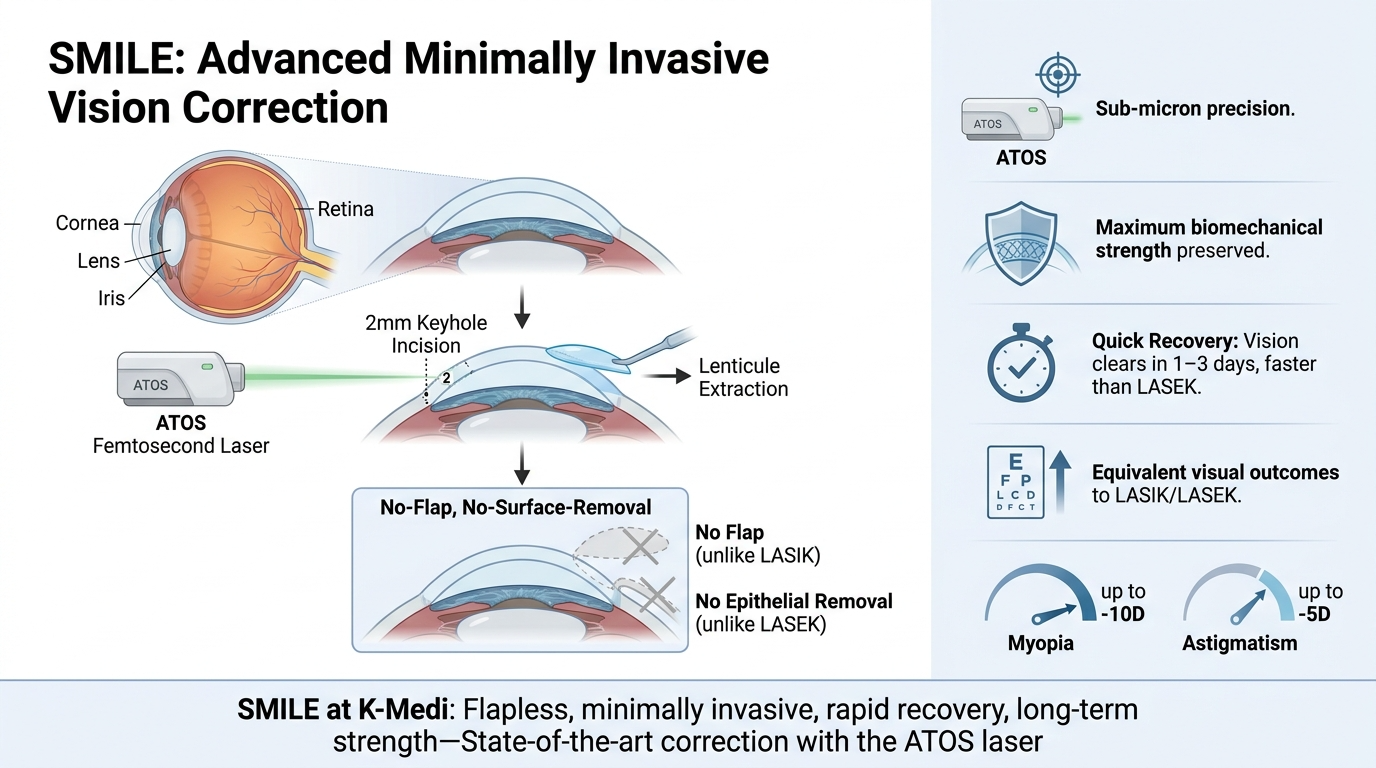
SMILE (Extracción de Lentículo por Incisión Pequeña) es la tecnología más avanzada para la corrección de la visión con láser: un procedimiento mínimamente invasivo y sin colgajo, realizado íntegramente con la plataforma láser de femtosegundo Zeiss VisuMax. En lugar de crear un colgajo, el láser crea un disco delgado con forma de lente de contacto (lentículo) dentro de la córnea, que luego se extrae a través de una pequeña incisión de 2 mm.
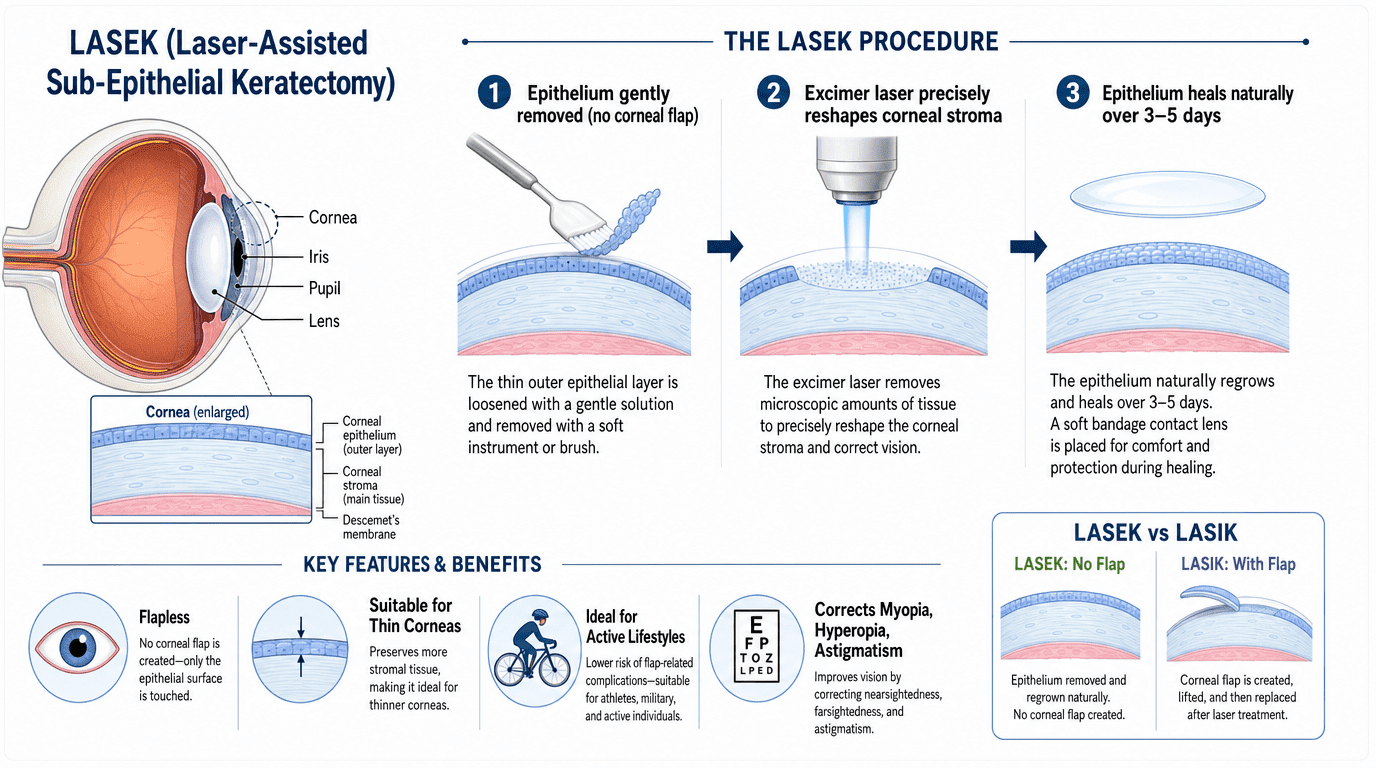
Este revolucionario método preserva mejor la biomecánica corneal que LASIK y LASEK, reduce los síntomas de sequedad ocular y ofrece la recuperación más rápida de cualquier procedimiento de corrección de la visión con láser. SMILE es especialmente adecuado para pacientes con un estilo de vida activo que buscan la opción menos invasiva disponible.
- Sin colgajo: sin colgajo, sin complicaciones.
- Microincisión de 2 mm: preserva los nervios corneales y la biomecánica.
- Recuperación en 1 día: mínimas molestias, rápida recuperación visual.
- Plataforma Zeiss VisuMax: el estándar de oro en cirugía refractiva.
¿Qué incluye el paquete SMILE?
¿Por qué elegir SMILE en Corea en K-Medi?
Corea es líder mundial en procedimientos SMILE: los cirujanos coreanos han realizado uno de los mayores volúmenes de cirugías SMILE a nivel mundial, lo que les otorga una ventaja en experiencia que pocos países pueden igualar. Nuestra clínica asociada utiliza la plataforma Zeiss VisuMax 800 de última generación, el láser de femtosegundo más avanzado que crea el lentículo con mayor rapidez y precisión. Para los pacientes que buscan la corrección de la visión menos invasiva y más estable biomecánicamente disponible en la actualidad, SMILE es la opción definitiva.
- Sin colgajo: preserva la resistencia de la córnea y la inervación.
- Menos síntomas de ojo seco que con LASIK
- Experiencia quirúrgica coreana de primer nivel a un precio excelente.
Cómo funciona SMILE
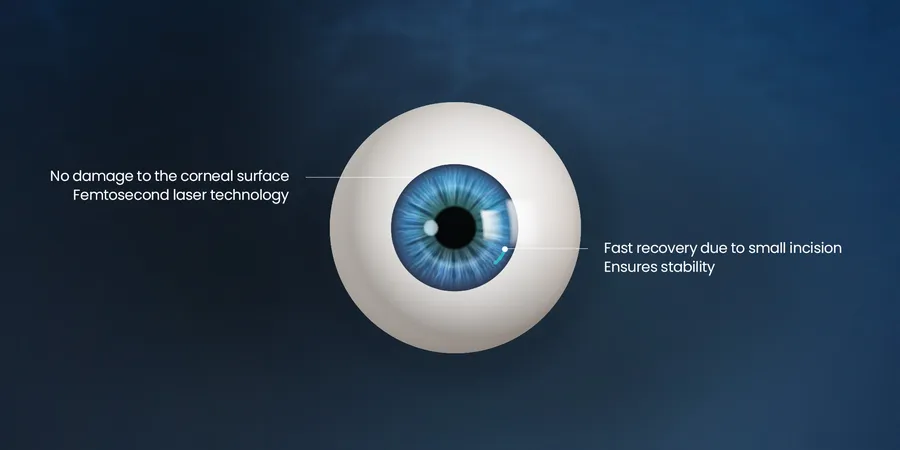
El láser de femtosegundo Zeiss VisuMax crea un disco delgado y de forma precisa de tejido corneal (lentículo) dentro de la córnea intacta, con una pequeña abertura superficial de 2 mm. Todo el proceso dura menos de 30 segundos y no requiere la creación de un colgajo. Posteriormente, el cirujano extrae el lentículo a través de la incisión de 2 mm con microfórceps, corrigiendo así el error refractivo sin alterar la superficie corneal ni crear un colgajo.
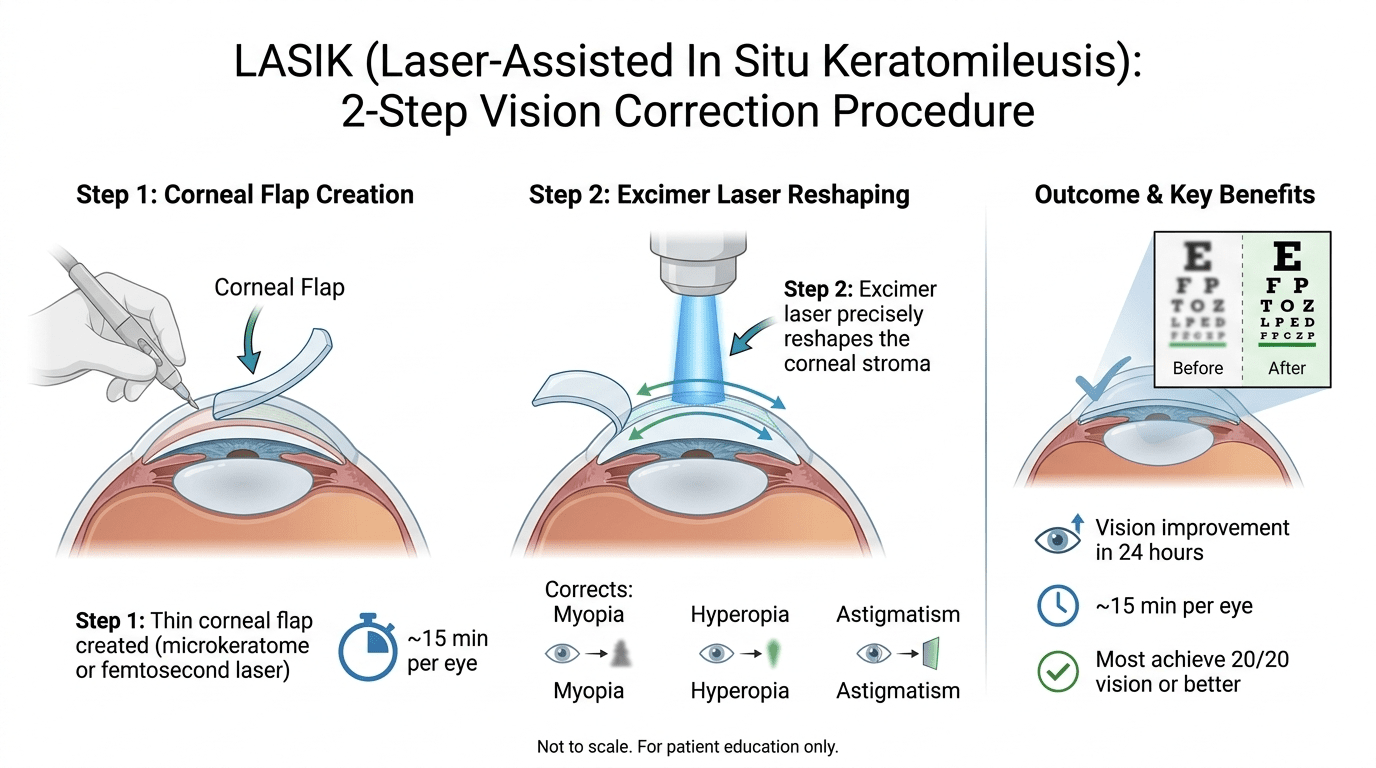
Debido a que solo se realiza una incisión de 2 mm (en comparación con el colgajo circular de aproximadamente 20 mm en LASIK), los nervios corneales se conservan en gran medida, lo que reduce la sequedad ocular postoperatoria y mantiene una mayor estabilidad biomecánica de la córnea. La mayoría de los pacientes refieren una visión nítida a las pocas horas y retoman sus actividades normales al día siguiente.
¿A quién va dirigido este procedimiento?
Preguntas frecuentes
¿Tienes más preguntas? Nuestros coordinadores estarán encantados de ayudarte.
Consulta gratuita Contáctanos por WhatsAppGalería de tratamientos
 3.png)
 2.png)
 3.png)