LASIK vs. LASEK in Korea: Which Eye Surgery Is Right for You?
Comparing LASIK and LASEK in Korea, this guide details their differences. It helps you choose the optimal eye surgery for your specific needs.
LASIK vs. LASEK in Korea: Which Eye Surgery Is Right for You?
Dreaming of a life free from glasses and contact lenses? Korea has emerged as a global leader in advanced eye care, attracting thousands of international patients seeking world-class vision correction surgeries. With state-of-the-art technology, highly skilled surgeons, and competitive pricing, it's no wonder Korea is a top destination for procedures like LASIK and LASEK. But with two primary options, how do you choose the right one for you?
This comprehensive guide will break down the differences between LASIK and LASEK, helping you understand which surgery might be the best fit for your eyes and lifestyle. Let's dive in!
Understanding LASIK Eye Surgery
LASIK, which stands for Laser-Assisted In Situ Keratomileusis, is perhaps the most well-known and commonly performed laser eye surgery worldwide. It’s renowned for its quick results and minimal discomfort, making it a popular choice for many seeking vision correction.
How LASIK Works:
The procedure involves creating a thin, hinged flap on the cornea (the clear front surface of the eye). This flap is then gently lifted, and an excimer laser reshapes the underlying corneal tissue to correct refractive errors such as myopia (nearsightedness), hyperopia (farsightedness), and astigmatism. Once the reshaping is complete, the flap is carefully repositioned, where it naturally adheres without stitches.
Pros of LASIK:
- Rapid Vision Improvement: Many patients experience significantly improved vision within 24 hours.
- Minimal Discomfort: The procedure itself is quick, and post-operative discomfort is usually mild and short-lived.
- Quick Recovery: Most individuals can resume normal activities within a day or two.
- Excellent Success Rates: High patient satisfaction and predictable outcomes.
Cons of LASIK:
- Corneal Thickness Requirement: Not suitable for individuals with very thin corneas.
- Flap-Related Complications: While rare, issues like flap dislocation or epithelial ingrowth can occur.
- Potential for Dry Eyes: Some patients may experience temporary or, less commonly, persistent dry eyes.
Korean clinics utilize advanced LASIK techniques, including all-laser (femto-LASIK) and wavefront-optimized LASIK, which offer enhanced precision and customized treatments tailored to each patient's unique eye characteristics.
Exploring LASEK Eye Surgery
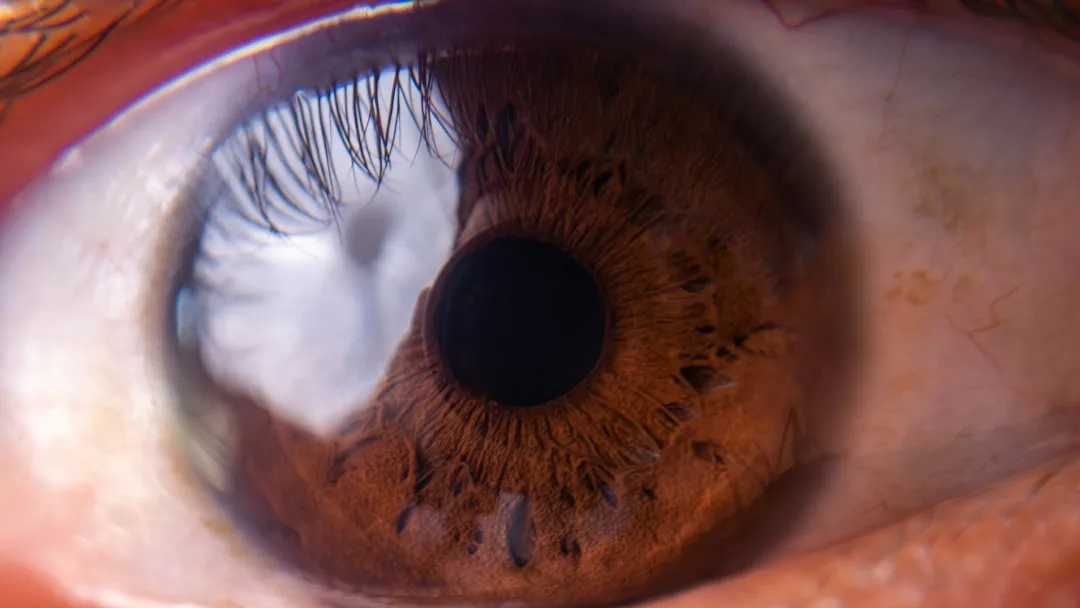
LASEK, or Laser-Assisted Sub-Epithelial Keratectomy, is often recommended for patients who may not be ideal candidates for LASIK, particularly those with thinner corneas or who lead very active lifestyles.
How LASEK Works:
Unlike LASIK, LASEK does not create a corneal flap. Instead, the surgeon loosens and removes the outermost layer of the cornea, called the epithelium, using an alcohol solution. Once the epithelial layer is gently peeled back, an excimer laser reshapes the underlying corneal tissue, similar to LASIK. After the laser treatment, the epithelial layer is carefully repositioned, and a protective bandage contact lens is placed over the eye to aid healing and minimize discomfort. The epithelial layer regenerates naturally over a few days.
Pros of LASEK:
- Suitable for Thinner Corneas: A safer option for patients with corneas too thin for LASIK.
- No Flap-Related Risks: Eliminates complications associated with a corneal flap, making it ideal for athletes, military personnel, or those in contact sports.
- Reduced Dry Eye Incidence: May have a lower risk of post-operative dry eye compared to LASIK.
Cons of LASEK:
- Longer Recovery Time: Visual recovery is slower, taking several days to weeks for stable vision.
- More Initial Discomfort: Patients typically experience more pain or discomfort in the first few days post-surgery.
- Bandage Contact Lens: Requires wearing a therapeutic contact lens for about a week.
LASEK in Korea is performed with meticulous care, with specialists ensuring optimal conditions for epithelial regeneration and visual recovery.
Key Differences and Deciding Factors
The choice between LASIK and LASEK boils down to several critical factors, primarily your eye's unique physiology and your lifestyle. Here’s a quick comparison:
- Corneal Flap: LASIK creates a permanent flap; LASEK removes and regrows the epithelial layer.
- Recovery Time: LASIK offers rapid visual recovery (days); LASEK has a slower recovery (weeks).
- Initial Discomfort: LASIK generally involves minimal discomfort; LASEK can have more significant discomfort for the first few days.
- Suitability: LASIK requires sufficient corneal thickness; LASEK is suitable for thinner corneas.
- Risk Profile: LASIK has rare flap-related risks; LASEK avoids these but has risks associated with epithelial healing.
How to Decide:
The most crucial step is a thorough pre-operative examination and consultation with an experienced ophthalmologist. They will assess:
- Corneal Thickness: This is often the primary determining factor.
- Degree of Refractive Error: How much correction is needed.
- Pupil Size: Important for preventing night vision issues.
- Lifestyle: Are you an athlete? Do you have an occupation with high impact risk?
- Pre-existing Conditions: Especially dry eye syndrome.
Your Korean eye specialist will provide a personalized recommendation based on these findings, ensuring the safest and most effective outcome for your vision.
Why Choose Korea for Your Eye Surgery?
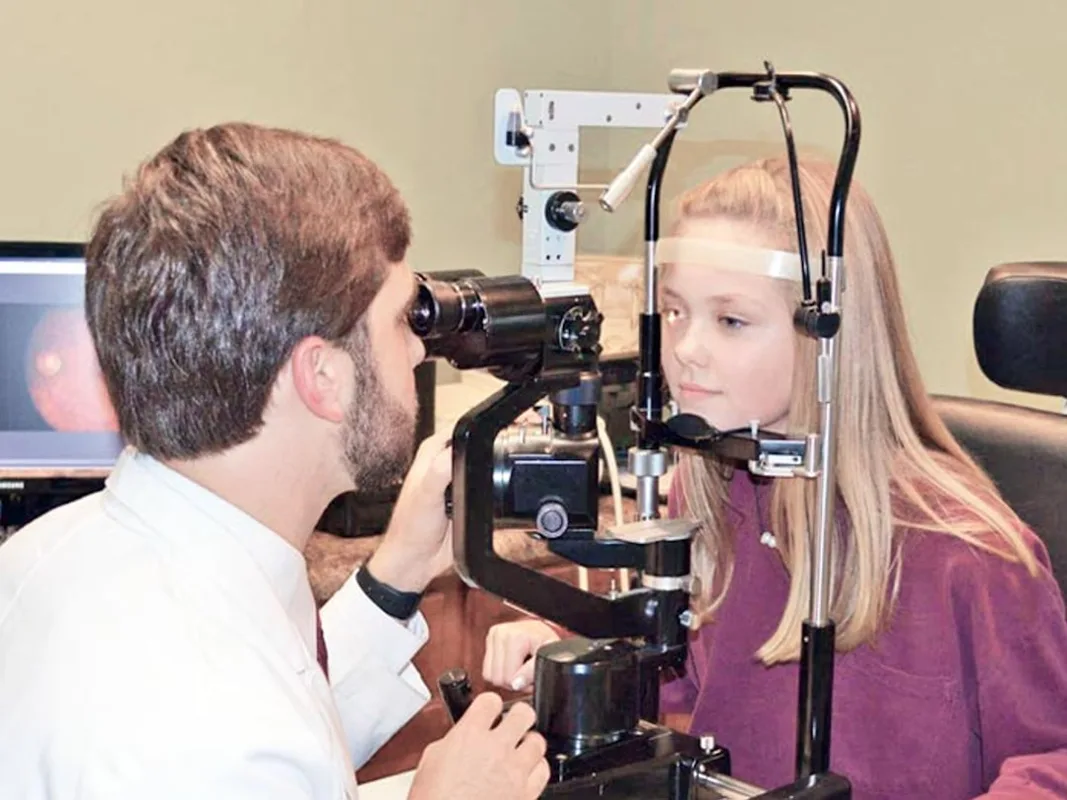
Korea stands out as an exceptional destination for eye surgery for numerous compelling reasons:
- World-Class Expertise: Korean ophthalmologists are highly trained, often with international experience, and are at the forefront of surgical innovation.
- Cutting-Edge Technology: Clinics are equipped with the latest diagnostic and laser systems, ensuring precision and safety.
- High Safety Standards: Adherence to strict medical protocols and rigorous patient care standards.
- Competitive Pricing: Often more affordable than equivalent treatments in Western countries, without compromising quality.
- Comprehensive Medical Tourism Infrastructure: Services designed specifically for international patients, including translation and logistical support.
Navigating the process of getting eye surgery abroad can seem daunting, but it doesn't have to be. For a seamless experience from your initial consultation to post-operative care, consider working with a reputable medical tourism facilitator. K-Medical Tours specializes in connecting international patients with Korea's top eye clinics, handling everything from appointment scheduling and accommodation to translation services and local transportation. They ensure a stress-free journey, allowing you to focus on your vision correction.
Many clinics in Korea offer comprehensive packages that include detailed eye examinations, the surgery itself, and follow-up care, all designed with the international patient in mind.
Choosing between LASIK and LASEK is a personal decision that should be made in consultation with a qualified eye surgeon. Korea offers unparalleled expertise and technology to help you achieve your vision goals, whether you opt for the quick recovery of LASIK or the flap-free safety of LASEK.
Ready to take the first step towards clearer vision? Contact K-Medical Tours today for a personalized consultation and let them guide you through your journey to world-class eye surgery in Korea.