Korean Skin Treatments by Concern: A Guide for Tourists
The right Korean skin treatment depends on your concern, your skin tone and type, and how much downtime you can accept. As a starting point for your conversation with a doctor: acne scars are often discussed with microneedling radiofrequency or fractional lasers, uneven tone with gentle laser toning and medical skincare, visible redness with vascular lasers or intense pulsed light, large pores and rough texture with microneedling radiofrequency, dullness and dehydration with skin boosters, and s
Key takeaways
- Start with your concern, not a treatment name. A consultation should come first.
- The lists below show what is commonly discussed for each concern. Your doctor decides what suits you.
- Skin tone matters. Darker skin tones carry a higher risk of post-inflammatory hyperpigmentation (dark marks after irritation or injury), so ask about the clinician's experience with skin like yours.
- Conditions such as active acne, rosacea and melasma are medical diagnoses. See a dermatologist, not only an aesthetic clinic.
- Some treatments work in one session. Others work best as a series spaced weeks apart, which is hard on a short trip.
- Prices vary by clinic and treatment, so ask for an itemized quote.
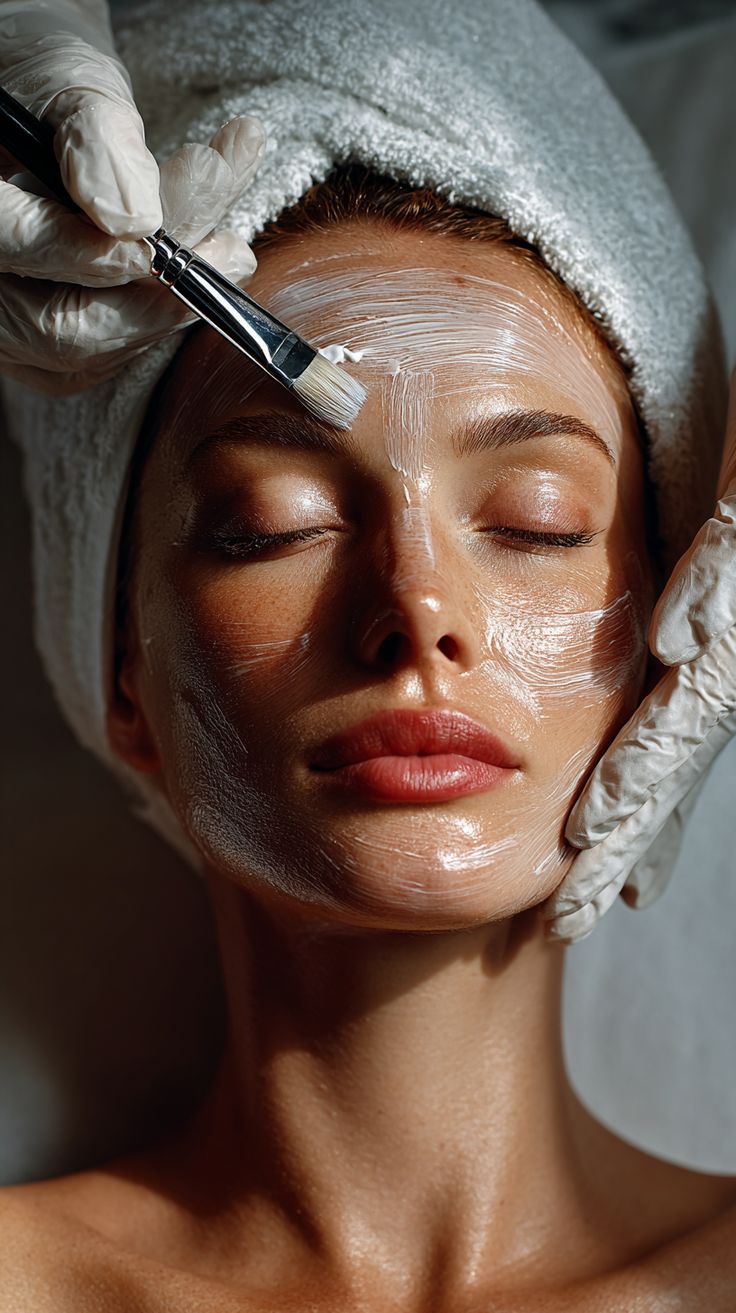
How to use this guide
Find your main concern below, read what is commonly discussed, and note the questions to ask. You don't need to decide on a treatment before you book. Describe your concern and your travel dates, and let a clinician assess your skin. Our step-by-step guide explains how to book a skin clinic consultation in Korea.
Two cautions first:
- Active acne, rosacea and melasma are medical conditions. If you have inflamed, painful or spreading skin, or a diagnosed skin condition, see a dermatologist before booking a cosmetic procedure.
- Your results depend largely on the person performing the treatment. The American Academy of Dermatology notes that, for laser and light treatments, an inexperienced operator can cause burns, permanent skin color changes or scars.
Acne scars
Commonly discussed treatments:
- Microneedling with radiofrequency
- Fractional lasers
- Other approaches for specific scar types, such as subcision, chemical peels or fillers, sometimes in combination
What to know: Choosing a treatment for acne scars is complicated. A review in the Journal of the American Academy of Dermatology says the best choice depends on the type and number of scars, the patient's skin type and how much downtime they can accept. Scars usually need more than one session, so ask what is realistic during one trip.
Ask the doctor: What type of scars do I have? How many sessions would I need? What is the downtime? How much improvement is realistic?
Uneven tone and dark spots (pigmentation)
Commonly discussed treatments:
- Gentle, low-energy laser toning
- Chemical peels
- Medical skincare and daily sun protection
On our menu, Glow Starter is listed for mild pigmentation and uneven tone, and for sensitive skin.
What to know: "Pigmentation" covers different problems: sun spots, dark marks left by acne or irritation, and melasma. They are treated differently. Melasma is stubborn, can come back, and can be triggered by sun and heat, so aggressive treatment can backfire. If you have darker skin, strong lasers carry a higher risk of post-inflammatory hyperpigmentation. Ask for a diagnosis first, and be realistic about what one trip can do.
Ask the doctor: What is causing my pigmentation? Is this treatment safe for my skin tone? Could it make the marks worse? How will I protect my skin from the sun afterward?
Redness and visible blood vessels
Commonly discussed treatments:
- Vascular laser or light treatments for visible blood vessels
- Intense pulsed light (IPL) for flushing and texture
- Medical treatments if the cause is rosacea
What to know: Persistent redness may be rosacea, which a dermatologist diagnoses. The American Academy of Dermatology says laser or light therapy is unlikely to be the only treatment for rosacea. IPL is gentler than a laser but needs more sessions. When lasers treat blood vessels, results tend to last about 3 to 5 years, and treated vessels don't return, although new ones can form. Common triggers include overheating, alcohol and spicy food, which are worth remembering when you plan Korean barbecue, soju and a sauna night.
Ask the doctor: Is this rosacea or something else? Which device do you use, and how experienced are you with it? What should I avoid for the next few days?

Large pores and rough texture
Commonly discussed treatments:
- Microneedling with radiofrequency
- Gentle resurfacing, sometimes combined with skincare
On our menu, Potenza is listed for pores, scars and rough texture.
What to know: Pore size is partly genetic, so treatments improve the look of pores and texture but don't change them permanently. Microneedling is often considered a relatively safer option for darker skin tones, according to dermatologists who presented at the American Academy of Dermatology, but the evidence is limited, and technique and settings still matter.
Ask the doctor: How many sessions are needed? How long will I look red or feel sensitive? Can I wear makeup the next day?
Dullness and dehydration
Commonly discussed treatments:
- Skin boosters, which are injections that add hydration to the skin
- Hydrating facials and medical-grade skincare
On our menu, Hydra Booster (Rejuran) is listed for hydration and skin quality.
What to know: Dull, dry skin can come from dehydration, sun damage, a damaged skin barrier or lifestyle. Many travelers ask for a "glow" treatment before a trip or event. Results are gradual, and some people need a series.
Ask the doctor: What is making my skin look dull? What product is used? How long do results typically last?
Sagging and a softer jawline
Commonly discussed treatments:
- Focused ultrasound, such as Ulthera
- Radiofrequency, such as Thermage
On our menu, Ulthera Prime is listed for brow, jowl and neck laxity, and Thermage FLX for skin laxity and wrinkles.
What to know: Both stimulate collagen, so results build gradually over months, and neither is permanent. Read our detailed comparison: Ulthera vs Thermage in Korea.
Ask the doctor: Which device is right for my face and why? What result is realistic? When will I see it?
Fine lines and expression wrinkles
Commonly discussed treatments:
- Botulinum toxin injections for lines caused by facial movement
- Skin boosters or resurfacing for fine surface lines
What to know: Botulinum toxin results are temporary. Many aftercare guides for injectables recommend avoiding alcohol for about 24 to 48 hours, because it can increase bruising and swelling, so plan your evening before your treatment.
Ask the doctor: How much will you use, and how natural will it look? What should I avoid afterward?
Skin tone and safety: what to ask if you have darker skin
Many travelers are told that Korean clinics are experts on Asian skin. If your skin is darker, such as Fitzpatrick skin types IV to VI, ask about experience with skin like yours. At a presentation for dermatologists reported by Dermatology Times, specialists noted that:
- Microneedling is generally considered relatively safer for darker skin types.
- Most laser and light devices need longer gaps between sessions for skin of color, about 6 to 8 weeks versus 3 to 4 weeks for lighter skin.
- Larger spot sizes and lower energy settings are generally advised for lasers.
Some dermatologists also avoid CO2 laser resurfacing in darker skin because of the risk of dark marks after treatment. A short trip may not leave enough time for properly spaced sessions, so consider starting with a gentler approach or postponing.
Planning around a short trip
- Book a consultation first. Treat the first day as an assessment.
- Ask what can be done in one visit. Some treatments are single-session, while others need a series.
- Don't stack too many treatments. Doctors decide what can be combined.
- Leave recovery time. Ask when you can wear makeup, exercise, fly and go out in the sun.
- Protect your skin from the sun. Sun exposure after treatment can worsen marks.
- Plan aftercare. Ask how to reach the clinic from home.
Tell the doctor about any prescription skin medicines you use or recently used, such as retinoids or isotretinoin, and about your other medicines, allergies and prior procedures.
What about price?
Prices vary by clinic, device, treatment area and your doctor's plan, so we don't quote numbers here. Ask for an itemized written quote that covers the consultation, each treatment, products, numbing, follow-up and interpretation. Compare quotes by what is included, not only by the total.
Questions to ask before you book
- What is causing my concern, and how do you diagnose it?
- Which treatment do you recommend for me, and why this one?
- Is it safe for my skin tone?
- Who will perform it, and how often do they perform it?
- How many sessions do I need, and what can be done in one trip?
- What are the risks, the downtime and the aftercare?
- Who do I contact after I fly home?
FAQ
Which Korean skin treatment is best for acne scars?
It depends on the type of scars, your skin tone and your downtime. Microneedling with radiofrequency and fractional lasers are commonly discussed, and some scars need combination approaches. A doctor should examine your scars first, and several sessions are often needed, so ask what is realistic on one trip.
Is laser treatment in Korea safe for darker skin tones?
It can be safe in experienced hands, but darker skin tones carry a higher risk of dark marks after treatment, so devices, settings and spacing matter. Ask the clinician about their experience with skin like yours, and ask whether a gentler option, such as microneedling, is a better start.
What is the best treatment for pigmentation in Korea?
It depends on the cause. Sun spots, post-acne marks and melasma are treated differently, and melasma can return. A doctor should diagnose the type first. Options include gentle laser toning, peels and medical skincare, along with daily sun protection.
Can I get several skin treatments in one Korea trip?
Sometimes, but not always. Some treatments are single-session, while others work best as a series spaced weeks apart. Your doctor decides what can be combined, so share your travel dates and ask for a plan that fits your trip.
Do I need to know which treatment I want before booking?
No. Describe your skin concern and travel dates, and let a clinician assess your skin and discuss options, including no procedure. A consultation doesn't commit you to buying a treatment.
Plan your skin trip with a concierge
K-Medical Tours (DISKOMEDI) is a medical navigator and concierge service for international patients in Korea. We help with consultation, translation and travel logistics, so you can get a clear assessment without coordinating it alone. Explore our dermatology services and our concierge service. Not sure how to vet a clinic? Read our guide on how to check that a Korean clinic is safe for tourists.
Free consultation on WhatsApp: message us and type MYSKIN so we know you came from this guide.